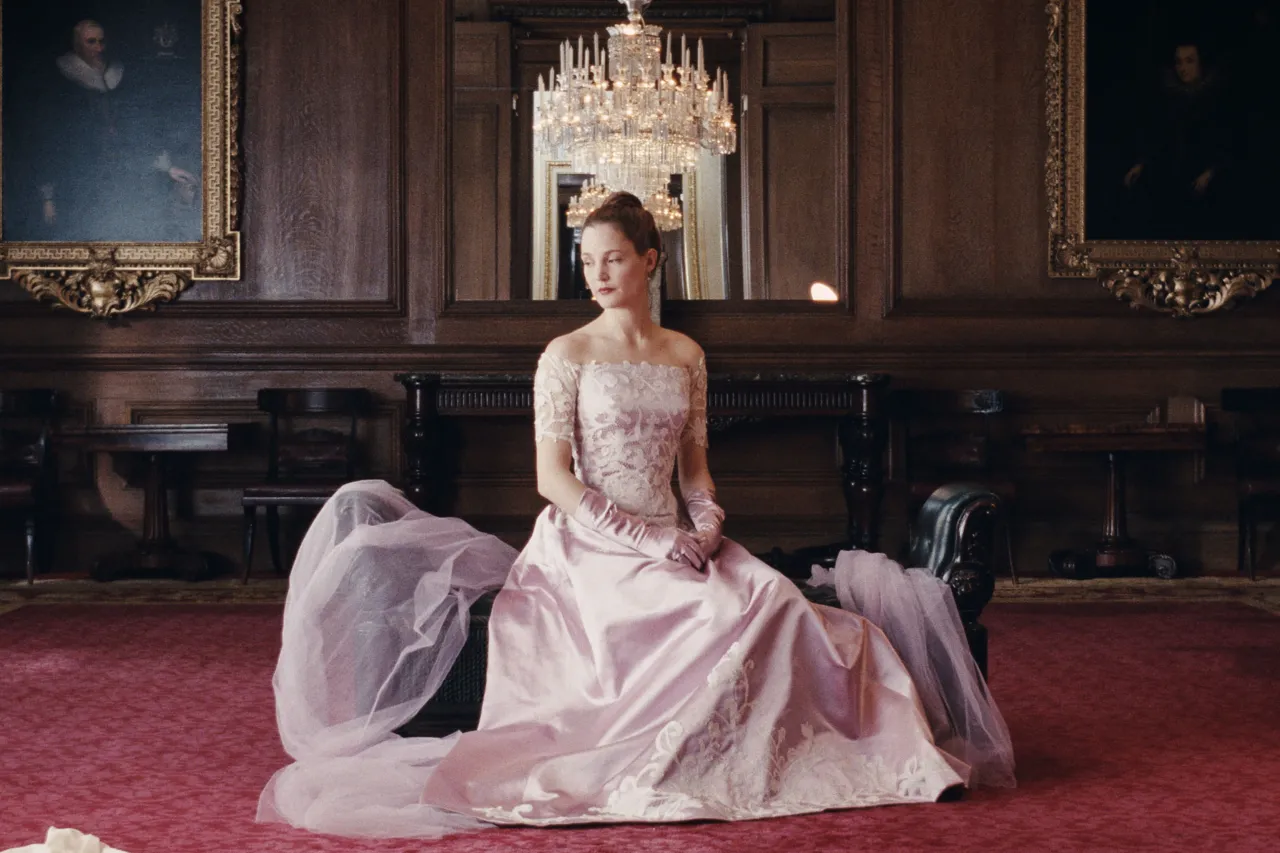
Paul Thomas Anderson turns his attention to a period drama involving high fashion in 1950’s London. The hype for this film was electric with much of the buzz revolving around Phantom Thread being the swansong for method acting master, Daniel Day-Lewis. Anderson’s previous efforts centre on dreamy Californian landscapes, but here he swaps the American Dream for a film that captures the essence of the time, indulging in the opulence that the characters live with.
Day-Lewis shines as Reynolds Woodcock, a renowned classically trained fashion designer who finds himself lost for inspiration. He soon finds it in his muse, Alma (Vicky Krieps) who almost becomes a lifeforce for Woodcock as his creativity is sparked.
On the surface, the film explores the flight and fancy of high society in 1950’s London but beneath lies a darker world of manipulation, the unwavering quest for perfection and the consequences this has. The film is a love story but underneath the romance lies something much darker.

Reynolds is controlled by his watchful sister, Mabel (Lesley Manville) who openly dislikes Alma who controls Reynolds by poisoning his tea with wild mushrooms. It’s an endless cycle of creativity and struggle to maintain that inspiration. He survives and thrives on that perfect idea but when it fails or runs out, it physically and mentally takes its toll.
Alma is an interesting character because the world she comes from clashes drastically with Reynolds. Having worked as a waitress previously, she is thrust into the spotlight and into the eye of high society. She fits the role physically with ease but the emotional impact the societal expectations and, more important, Reynolds expectations have on her makes for some intense encounters. Manville also lights up the screen as Mabel and her character is blunt and brash but her job is to keep the standards high. She is the constant as Reynolds wavers from high to low and high again.
Mabel’s presence is not only exciting but necessary to the friction between the characters as her treatment is consistent and her unapologetic way in demanding respect from Reynolds in particular is exciting as we rarely see a woman so equally challenging and empowering.
Phantom Thread has a moodiness that is exacerbated by a luscious colour palette. Some scenes are reminiscent of the longing and melancholy of Edward Hopper’s painting with its character-driven focus. It is a film that thrives on the reaction rather than the actions that happen.